
Demi-Fine Jewellery: The Definition
Demi-fine jewellery sits between two extremes. On one end: cheap fashion jewellery (₹50–₹300, zinc alloy, fades in weeks). On the other: fine jewellery (solid gold/diamond, ₹10,000–₹10,00,000+, financial investment). Demi-fine occupies the middle ground — quality materials, longer life, accessible prices.
The term “demi-fine” (from French: demi = half) originated in the international jewellery market around 2010–2015 with brands like Mejuri (Canada) and Gorjana (USA). It arrived in India around 2018–2020, led by brands targeting young urban professionals.
What Makes Jewellery “Demi-Fine”?
Three criteria distinguish demi-fine from fashion jewellery:
- Quality base metal: Copper alloy, sterling silver (925), or gold-filled — not zinc, not nickel.
- Substantial plating or coating: Minimum 2 microns for gold plating, or 925 sterling for silver pieces. Not flash-plated.
- Quality assurance: A written guarantee or hallmark. If a brand doesn’t stand behind their materials with a guarantee, the piece is fashion jewellery regardless of price.
The Three Categories of Jewellery in India
| Category | Materials | Price Range | Lifespan | Example |
|---|---|---|---|---|
| Fashion / Imitation | Zinc/nickel alloy, flash plating | ₹50–₹500 | Weeks–months | Street market, Myntra fashion jewellery |
| Demi-Fine | Copper alloy / silver, micro plating | ₹299–₹10,000 | 6 months–3 years | Tanishka Jewels, Palmonas |
| Fine Jewellery | Solid gold 14K–22K, diamonds | ₹5,000–₹10,00,000+ | Lifetime | Tanishq, Malabar Gold, Kalyan |
Why Demi-Fine Jewellery is Growing in India
Several factors are driving the demi-fine category in India:
- Rising gold prices: Gold has crossed ₹7,000/gram, making fine jewellery out of reach for daily wear.
- Changing fashion cycles: Women want to change their jewellery with outfits and trends — not wear the same pieces for decades.
- Working women’s needs: Office-appropriate jewellery that looks polished without being a security risk to wear on commutes.
- Gift culture: Birthdays, festivals, office gifts — real gold is too expensive as a casual gift, fashion jewellery feels low-effort. Demi-fine hits the right price and quality point.
- COD availability: Brands offering COD (like Tanishka Jewels across 25,000+ pincodes) have brought demi-fine jewellery to Tier 2/3 cities that were previously underserved.
Demi-Fine vs 1-Gram Gold Jewellery
In India, “1 gram gold jewellery” is a local category — jewellery made with approximately 1 gram of actual gold pressed or bonded to base metal. It sits between demi-fine and fine jewellery in price (₹800–₹3,000 per piece) and durability.
For most purposes, high-quality micro gold plated demi-fine jewellery (like Tanishka Jewels) looks identical to 1-gram gold jewellery to the naked eye, costs significantly less, and comes with better after-sale support (6-month guarantee vs no formal guarantee for most 1-gram gold sellers).
Tanishka Jewels: India’s Demi-Fine Jewellery Brand with a Guarantee
Tanishka Jewels was built specifically around the demi-fine promise: copper alloy base, micro gold plating at 18–22 karat equivalent, hypoallergenic finish, and a 6-month colour guarantee that no standard fashion jewellery brand offers.
What sets it apart in the Indian market: COD across 25,000+ pincodes (accessible to Tier 2/3 cities), 50% buyback programme (treating jewellery as a partial investment), and a WhatsApp-first service model — no apps, no portals, just WhatsApp.
Frequently Asked Questions
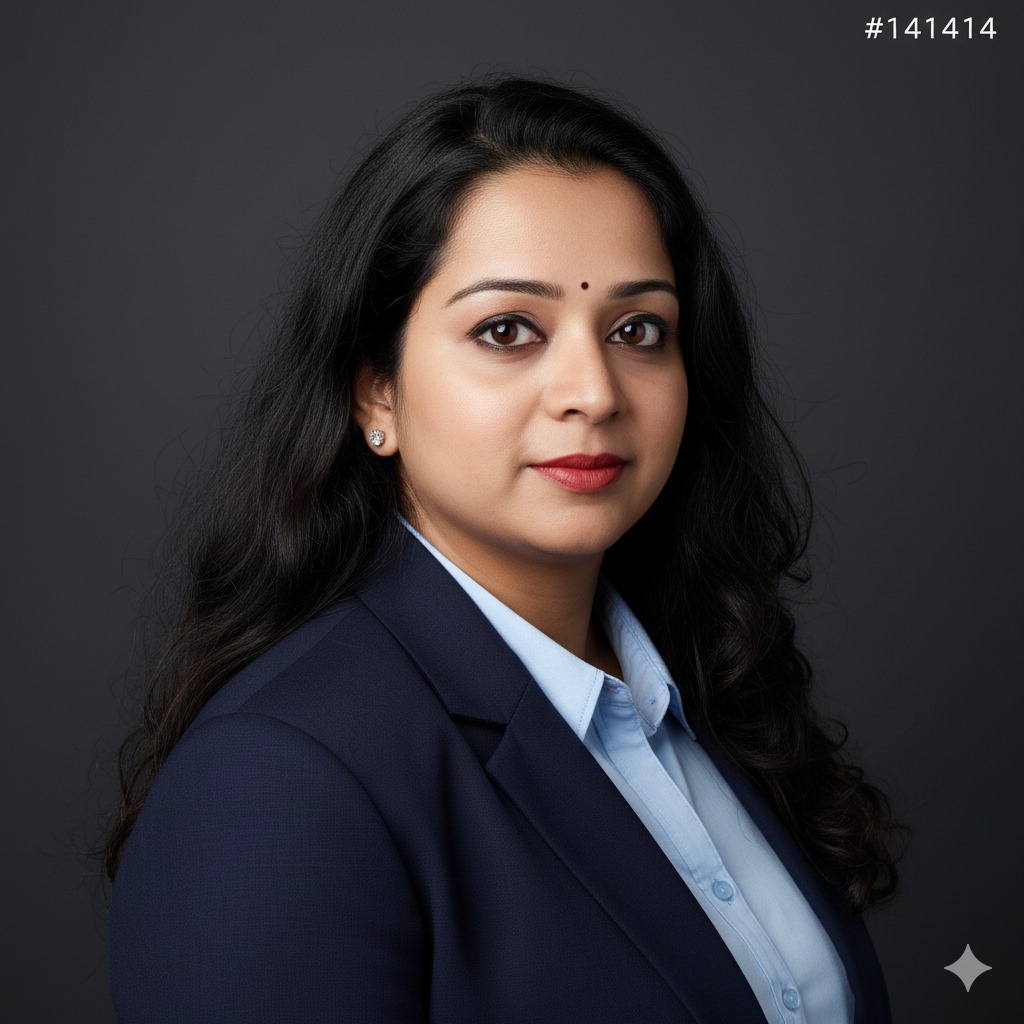
Graduate by academic, entrepreneur by passion. Deepa started Tanishka Jewels to make quality gold-plated fashion jewellery affordable for every Indian woman — because every woman deserves to shine. Connect on LinkedIn →